


So, what exactly does profile.dat contain? According to an interview with bit.ly's co-founder, David Kosofsky, the file is a serialized data structure that stores information in a compact, binary format. The file is indexed by a unique identifier, which allows bit.ly to quickly retrieve the associated metadata for a given shortened link.
: It's worth noting that bit.ly's architecture has likely changed since the company's early days. The information provided here is based on publicly available data and may not reflect the current implementation. bit.ly profile.dat
The profile.dat file is a fascinating component of bit.ly's link shortening infrastructure. By storing metadata about every shortened link, bit.ly is able to provide a robust set of features, including link redirects, analytics, and link management. As the platform continues to grow and evolve, it's likely that profile.dat will remain a critical component of its architecture. So, what exactly does profile
bit.ly, one of the most popular link shortening services, has been a household name for over a decade. With over 20 million shortened links created every day, it's no wonder that bit.ly has become an essential tool for marketers, social media enthusiasts, and anyone looking to share links online. But have you ever wondered how bit.ly works its magic? Specifically, what secrets lie within the mysterious profile.dat file? : It's worth noting that bit
For those who may not know, profile.dat is a crucial component of bit.ly's link shortening infrastructure. It's a binary data file that stores information about every shortened link created on the platform. The file is essentially a massive database that contains metadata about each link, including its original URL, click-through rates, and other analytics.
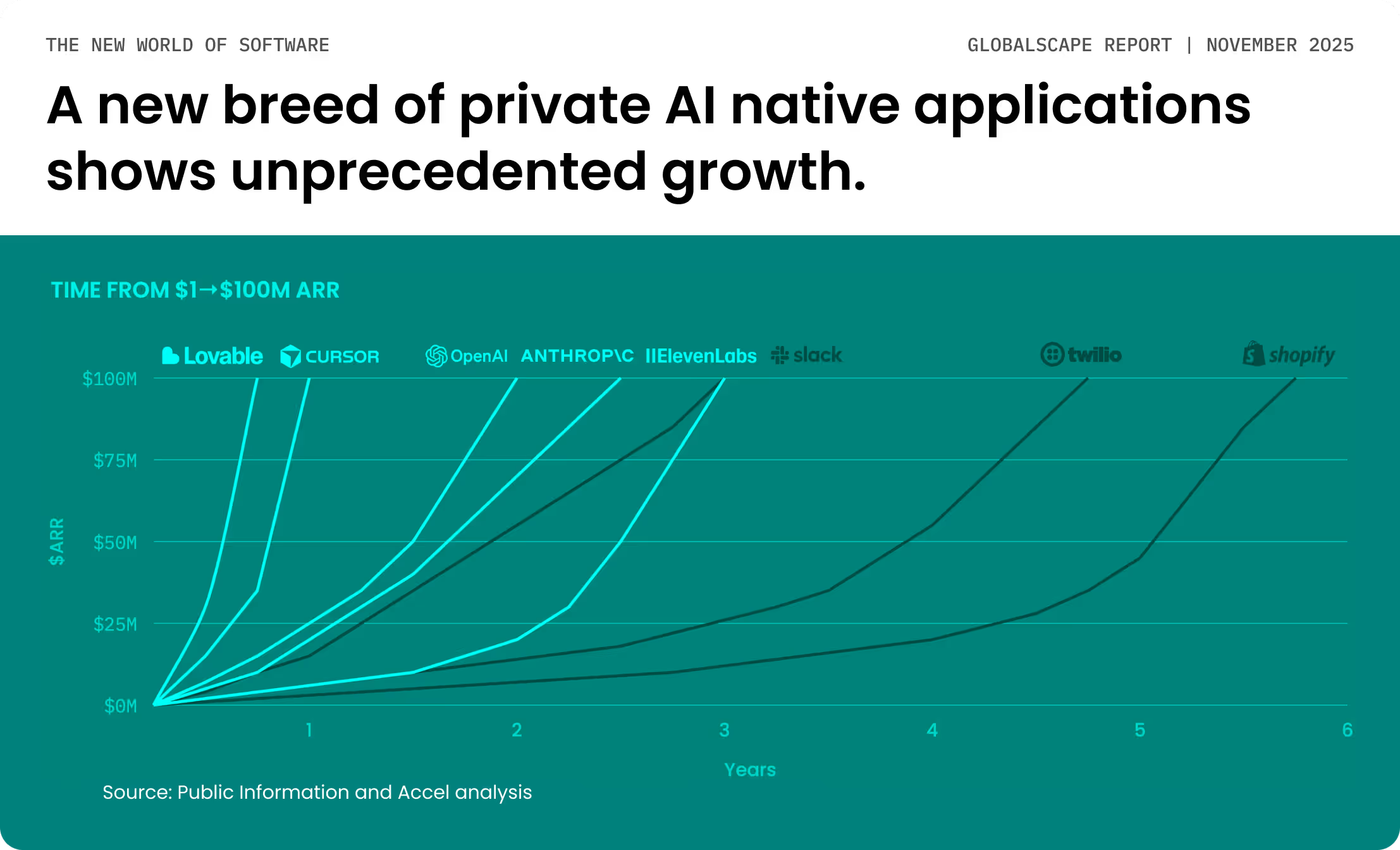
We are witnessing a tectonic shift, with AI accelerating innovation across the globe and unprecedented growth in AI native applications and enterprise agentic workflows. This shift will require an estimated $4 trillion investment in computing data centers over the next five years.

Report
Report
Report
Report
Report
Report
Report
Report