Open source RGB lighting control that doesn't depend on manufacturer software


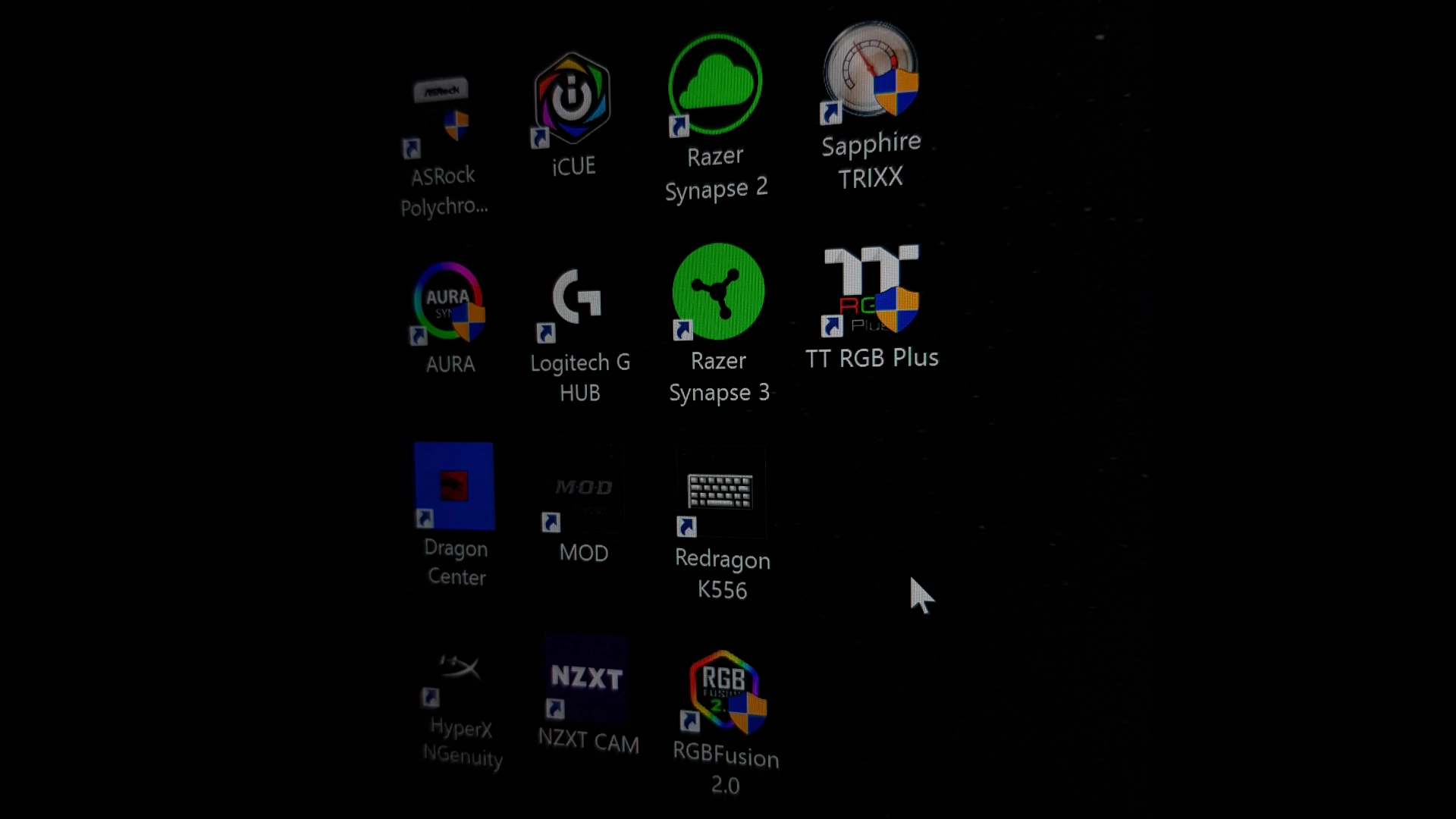
One of the biggest complaints about RGB is the software ecosystem surrounding it. Every manufacturer has their own app, their own brand, their own style. If you want to mix and match devices, you end up with a ton of conflicting, functionally identical apps competing for your background resources. On top of that, these apps are proprietary and Windows-only. Some even require online accounts. What if there was a way to control all of your RGB devices from a single app, on both Windows and Linux, without any nonsense? That is what OpenRGB sets out to achieve. One app to rule them all.


Version 1.0rc2, additional downloads and versions on Releases page

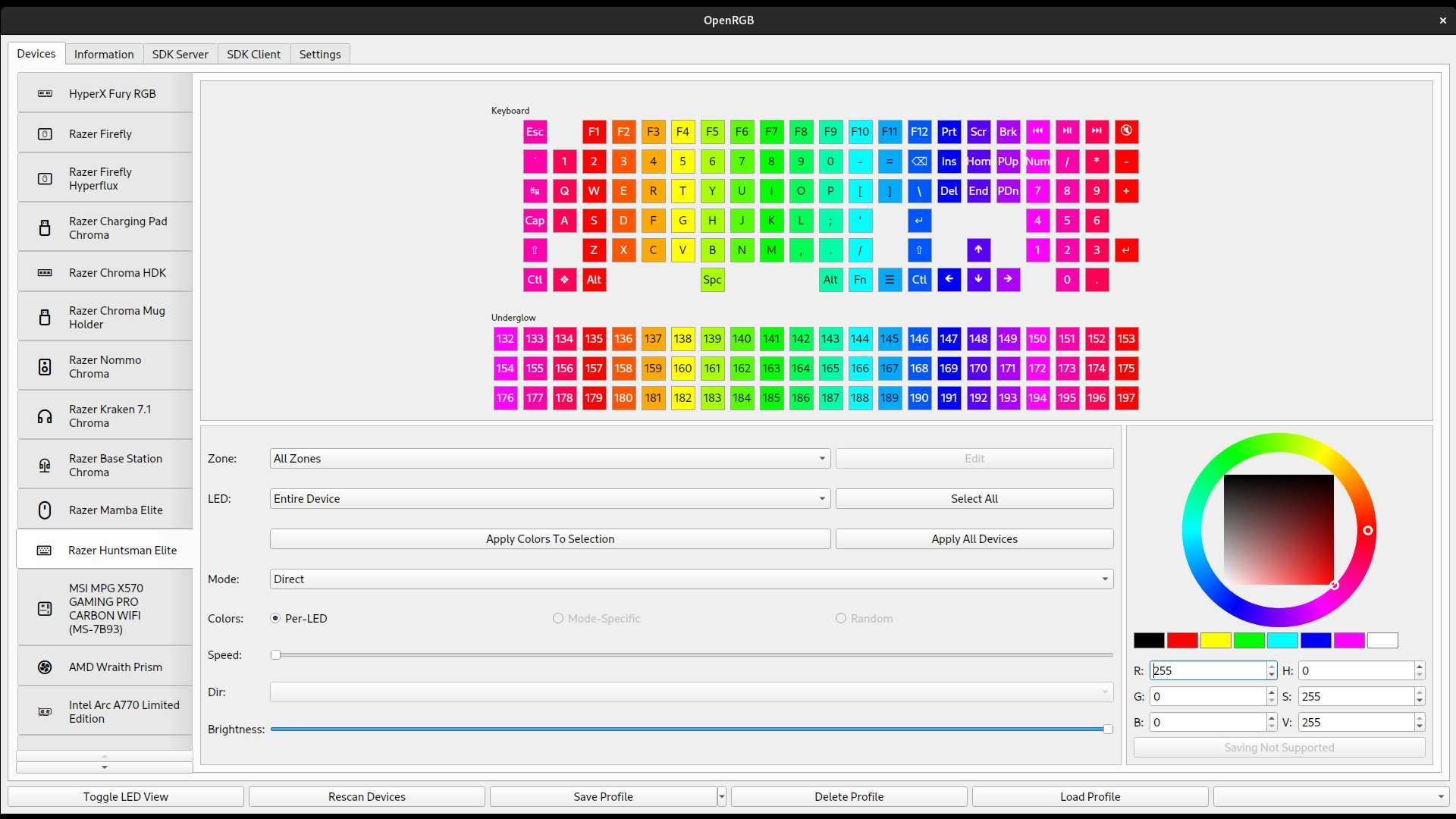
OpenRGB user interface

Control RGB without wasting system resources

Lightweight User Interface

OpenRGB keeps it simple with a lightweight user interface that doesn't waste background resources with excessive custom images and styles. It is light on both RAM and CPU usage, so your system can continue to shine without cutting into your gaming or productivity performance.

OpenRGB rules them all

Control RGB from a single app

Eliminate Bloatware

If you have RGB devices from many different manufacturers, you will likely have many different programs installed to control all of your devices. These programs do not sync with each other, and they all compete for your system resources. OpenRGB aims to replace every single piece of proprietary RGB software with one lightweight app.

OpenRGB is open source software

Contribute your RGB devices

Open Source

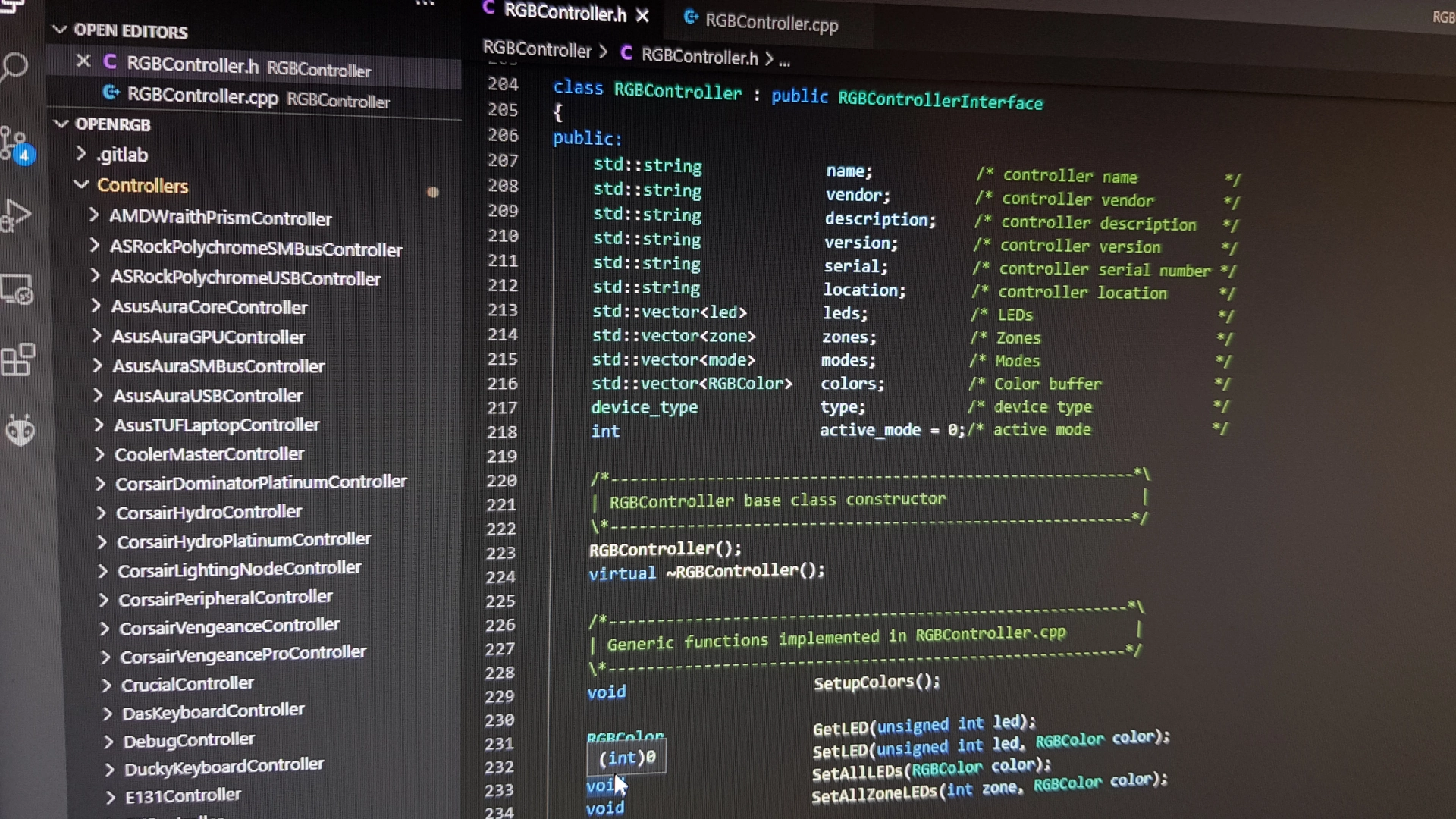
OpenRGB is free and open source software under the GNU General Public License version 2. This means anyone is free to view and modify the code. If you know C++, you can add your own device with our flexible RGB hardware abstraction layer. Being open source means more devices are constantly being added!


Check out the source code on GitLab
OpenRGB is Cross-Platform

Control RGB on Windows, Linux, and MacOS

Cross-Platform

OpenRGB runs on Windows, Linux and MacOS. No longer is RGB control a Windows-exclusive feature! OpenRGB has been tested on X86, X86_64, ARM32, and ARM64 processors including ARM mini-PCs such as the Raspberry Pi.

Bitly 3un4t2r < PRO → >

Undeterred by the initial skepticism, I decided to probe deeper into the string "bitly 3un4t2r". A quick analysis revealed that the string contains a mix of letters and numbers, which could potentially be a cipher or a coded message. I applied various decoding techniques, including substitution and transposition, but none yielded a meaningful result.

As I stumbled upon the enigmatic string "bitly 3un4t2r", I couldn't help but feel a sense of intrigue. What could this seemingly random combination of characters possibly refer to? Is it a code, a password, or perhaps a URL? In this blog post, we'll embark on a journey to unravel the mysteries surrounding "bitly 3un4t2r" and explore the possible implications of this cryptic string. bitly 3un4t2r

For those unfamiliar, Bitly is a popular URL shortening service that allows users to shorten lengthy web addresses into more manageable, bite-sized links. However, "bitly 3un4t2r" doesn't appear to be a valid Bitly link. The string seems to be a jumbled collection of characters, lacking the typical format of a shortened URL. Undeterred by the initial skepticism, I decided to

The case of "bitly 3un4t2r" remains a mystery, leaving us to ponder the true nature of this enigmatic string. As we've seen, the line between sense and nonsense can be blurred, and sometimes, the most intriguing puzzles may have no solution. If you have any insights or information about "bitly 3un4t2r", I'd love to hear from you in the comments below. As I stumbled upon the enigmatic string "bitly

After conducting an exhaustive investigation, I was unable to uncover any concrete evidence or credible sources that could shed light on the meaning or significance of "bitly 3un4t2r". It's possible that this string is simply a random collection of characters devoid of any deeper meaning.