






Attract customers with beautiful, flexible and customizable order pages. Increase your sales with a range of marketing tools
Multi-Language
Multi-Currency
Easy to customize
Learn more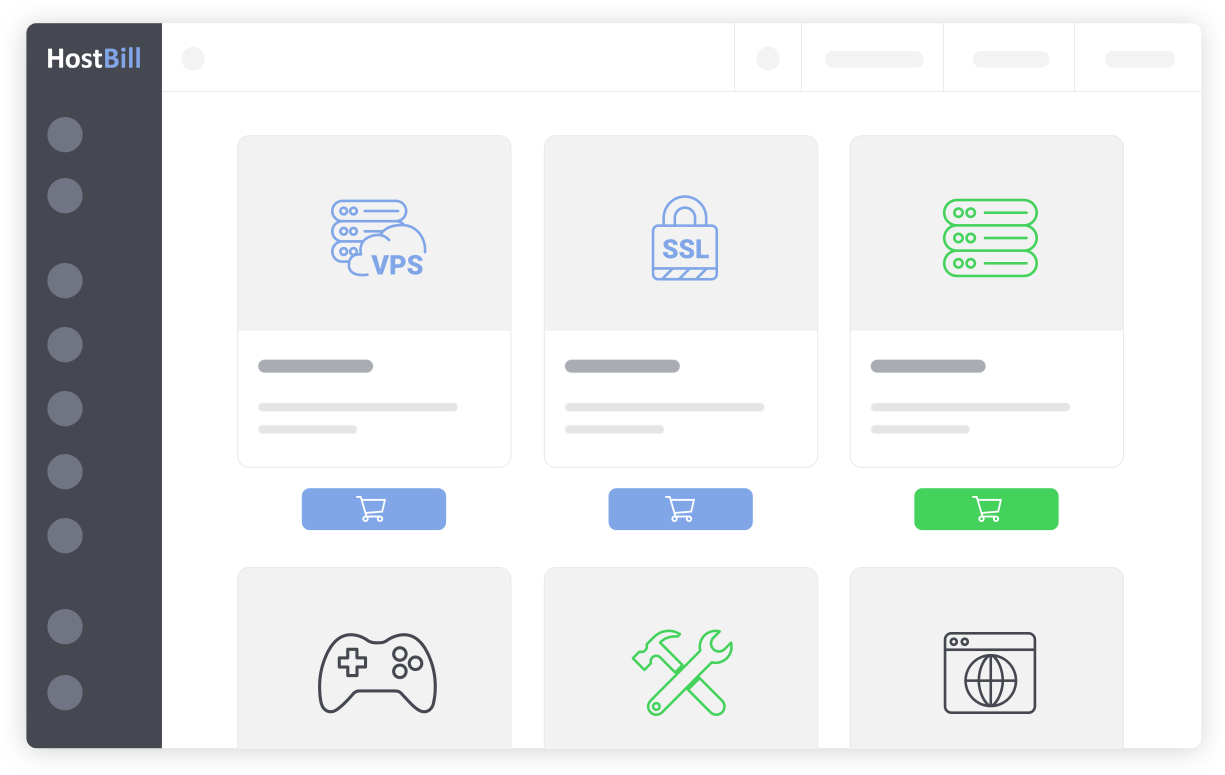
On the new line he wrote the simplest entry he could: "Measure. Preserve. Account." Beneath it he drew three columns, then added a fourth: "Risk."
Mud carries the imprint of what has passed through it. Blood carries the record of what has cost. To steward both is to accept that every intervention is a ledger entry—traceable, disputable, consequential. He turned the page and wrote a simple instruction against the margin: "When in doubt, make a witness."
One client arrived after midnight carrying a child asleep against his chest. The child's face was a catalog of small indignities—scar, asymmetry, a smudge of something that might once have been joy. The father did not beg. He offered a ledger entry instead, the only language left that felt like fairness: an apology, a promise, a scrap of legal paper with a signature, a worn ring. People who crossed the threshold of that door surrendered formal instruments because paper was still easier to disown than memory.
Not everything that arrived required a miracle. Some asked only for forgiveness in the smallest possible band: a scar lightened, a voice tuned, a gait nudged back toward equilibrium. Others requested mercies that were larger and more dangerous: erasures of names, suppression of memories, the removal of affiliations that anchored people to histories—histories that others still wanted to keep. He weighed each request against his rules, a list that had been drafted and redrafted in the margins of that paper book. The rules were not moral axioms; they were pragmatic. Avoid destabilization. Preserve sufficient continuity so that identity could be tracked. Never, if possible, change the past for which someone else had paid. MudBlood Prologue -v0.68.8- By ThatGuyLodos
Outside, the city exhaled into dawn. Inside, he revised his rules and added one more line to the margin—small, almost invisible.
He called it mud because the word was honest. Mud sits between earth and water; it carries both the possibility of growth and the weight of erosion. He called it blood because everything he made had to be accountable—to consequence, to rule. Mud without blood is fantasy. Blood without mud is myth. Together they named the place where decisions were made and bodies remade.
Retrofits of memory were often delicate. They required a patient choreography of cues and countercues to avoid tearing the narrative seam that stitched new facts into a life. A retained latent element is a pocket of resistance—a detail that refuses to submit to rewrite. Such things survived in the margins, in the manner a person laughed at certain sounds or a domestic ritual persisted across houses. He had seen latents unspool decades later, their rhythm returning like a ghost tide to unsettle a carefully curated life. On the new line he wrote the simplest
He did not know whom he was writing for—the woman, the cassette's voice, the father who had come with the child, or perhaps the part of himself that had been distributed into other people. The ledger, he understood, would have to serve them all. It would have to contain both the calculus of consequence and the softness of mercy. It would have to be open enough to be held accountable, and guarded enough to protect what being human requires.
He looked at the woman and then at the mound of clay. There was, he knew, no single right answer. Rules were negotiations, not decrees. He added a new column to his page: "Custodianship."
Someone, somewhere, had believed he might be needed as a repository. Blood carries the record of what has cost
That belief implied two things: trust and danger. To hold someone else’s truth is to inherit their enemies. To be a repository is to be a target. He had locked doors and hardened circuits, but the city was patient and its appetite for narratives infinite.
Between transactions, he read. Not novels—manuals, legal footnotes, psychiatric case studies, old manifestos with their brittle optimism. He collected arguments about selfhood the way some collect coins. He built a private ontology from them, a scaffold that let him justify small cruelties as necessary interventions, and larger cruelties as tradeoffs of survival. Reading tempered the impulse to mercy with the necessity of consequence.
He listened again until the tape hissed and his eyes blurred with the same heat that comes when a wound finally closes. The name was not on his ledger. How could it be? He had always been the one cataloging other people’s futures, not his own. Yet the cassette suggested that his life, too, had been distributed—some piece of him tucked into someone else as an act of preservation.
They sat across the table. The mound of clay sat between them like a small, innocent planet.
“Keep the ledger,” she said. “But open your ledgers to someone else. Let the retained be visible to those who can hold them with you.”
We’re excited to introduce a new round of updates and powerful additions to HostBill. Among the highlights are the new KSeF integration module for Poland’s National e-Invoicing System, a flexible eInvoices exporter, and the S/MIME Mail Signature plugin for secure outgoing email signing. Alongside these major additions, we’ve also implemented a series of smaller improvements […]
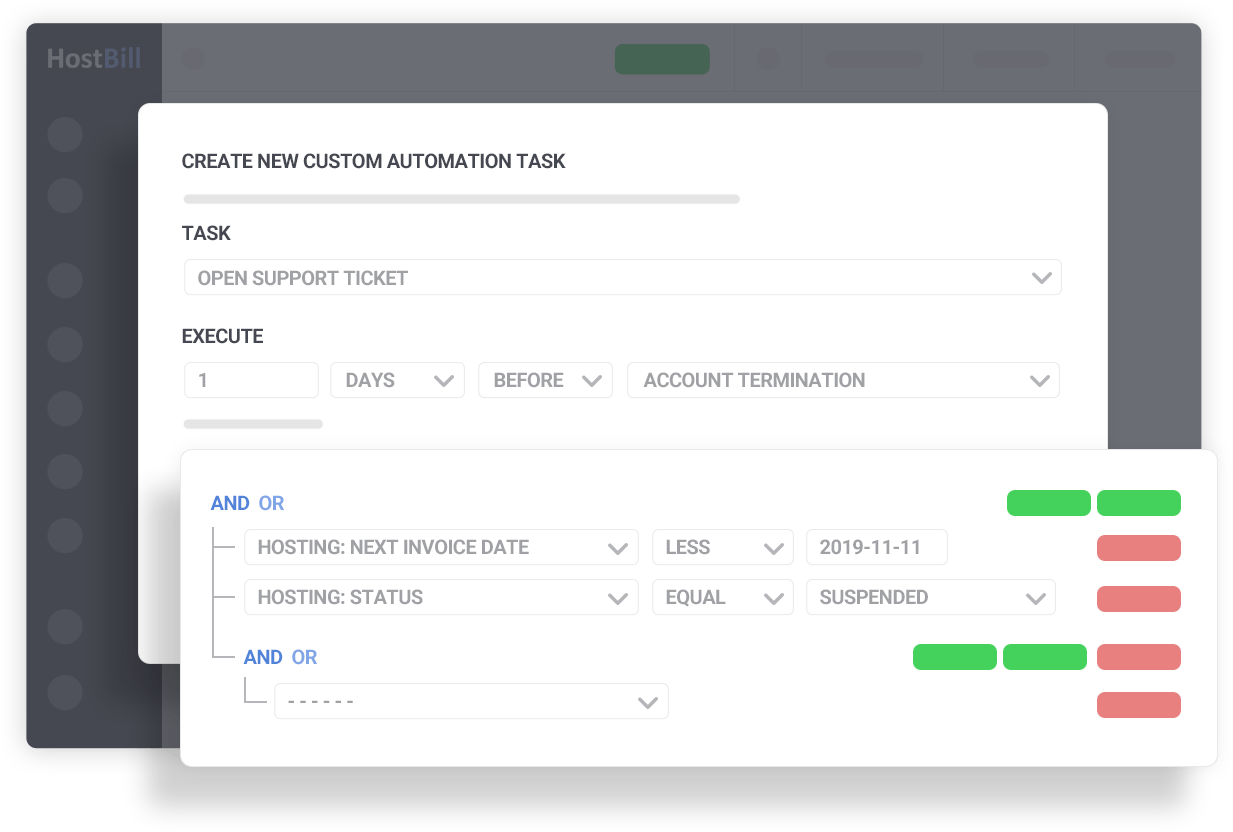
We’re introducing a new round of improvements designed to give you more control, stronger automation, and smoother integrations across your HostBill environment. This week we added new automation task, new client email notification and updates to Enom, SSL Automation Helper, DK Hostmaster and Exact Online modules.
February isn’t just about the Valentine’s Day, it’s also about showing some love to your business. This February Deal of the Month brings you a 15% discount on Licenses Modules. Treat your business with the savings you’ll appreciate long after February ends!
New HostBill release launches metered billing & account metric support for Hosted.ai integration and also focuses on expanding capabilities across cloud and DNS services, protecting sensitive pricing structures and more!