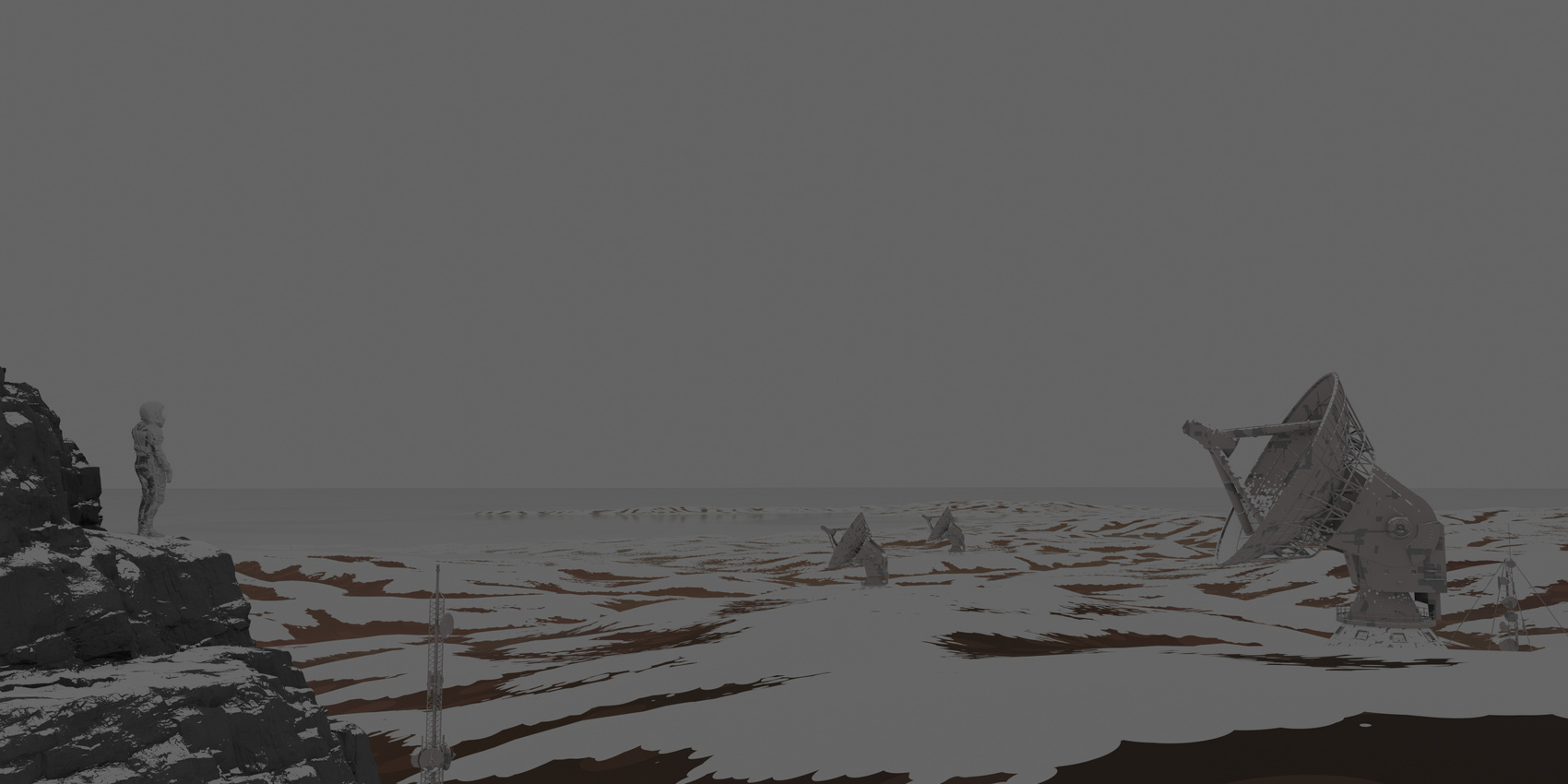
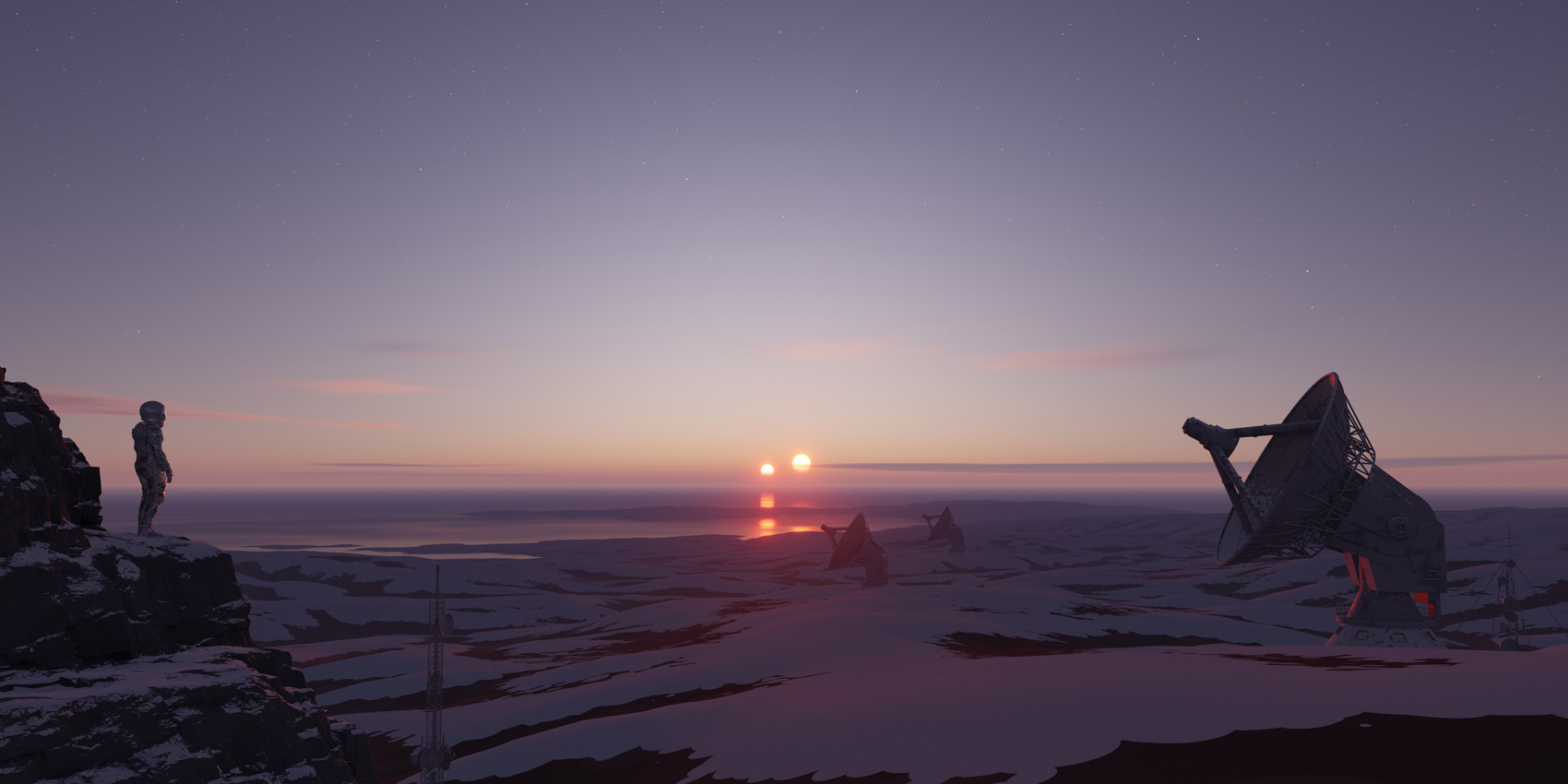
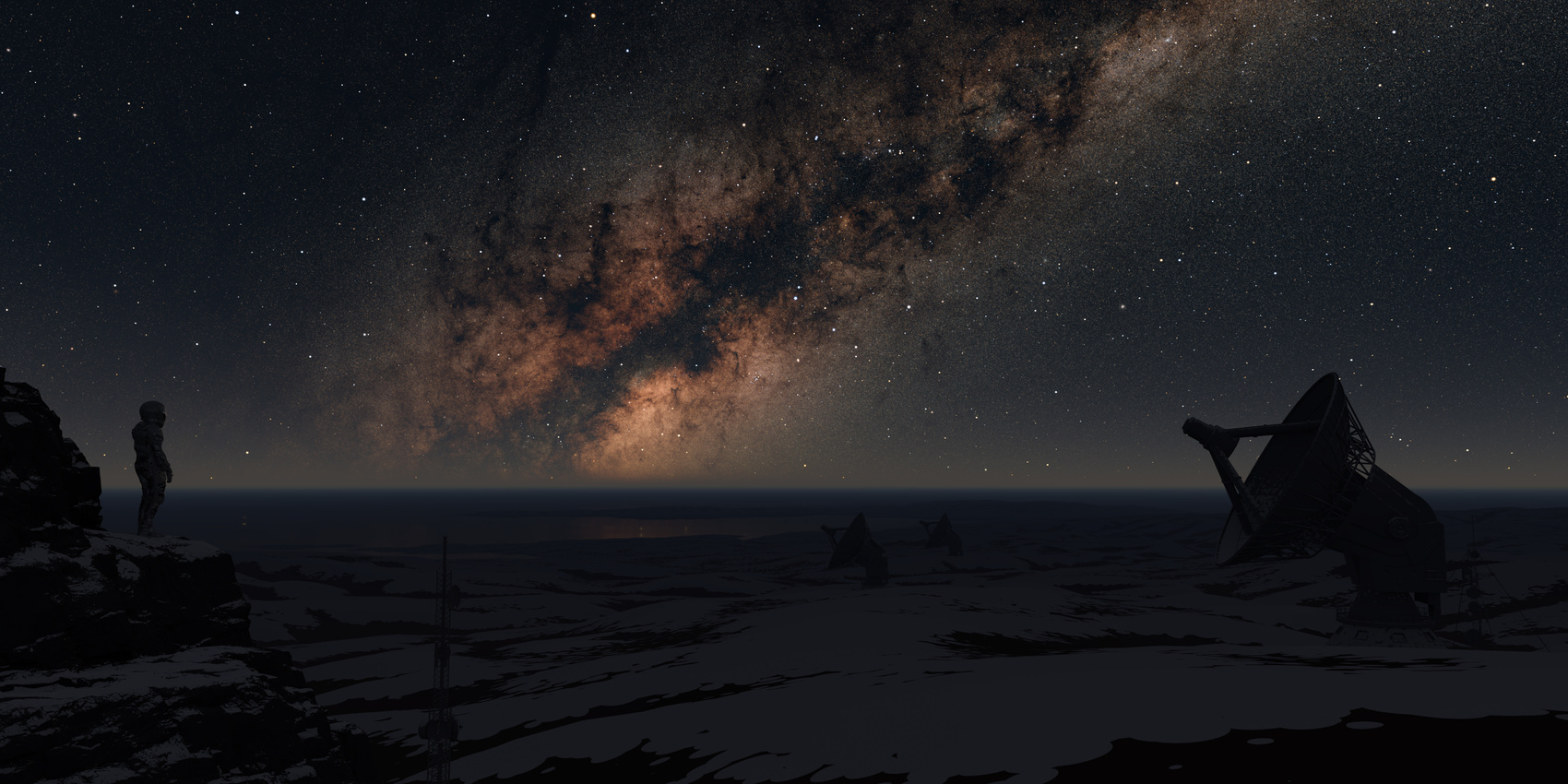
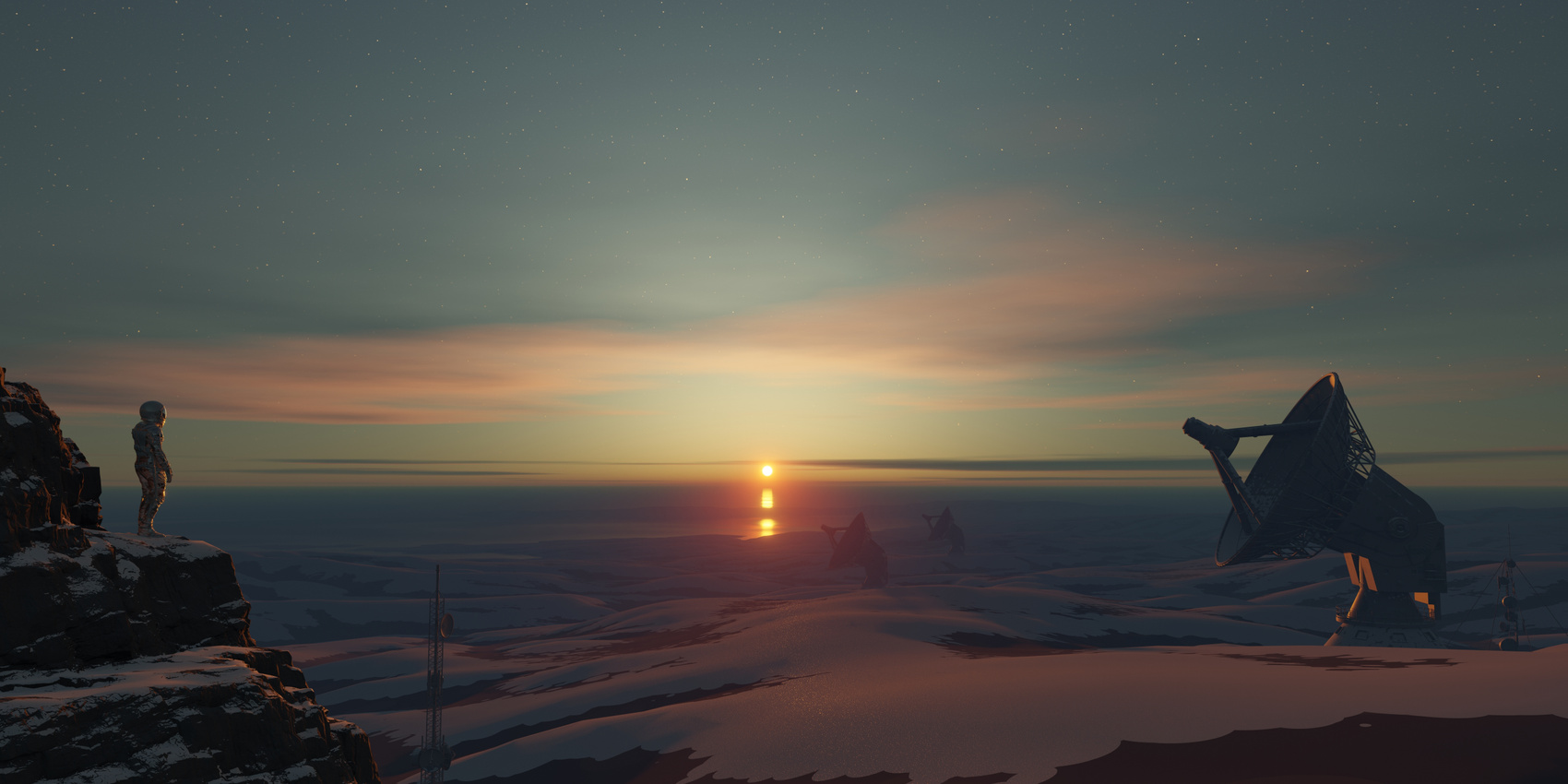
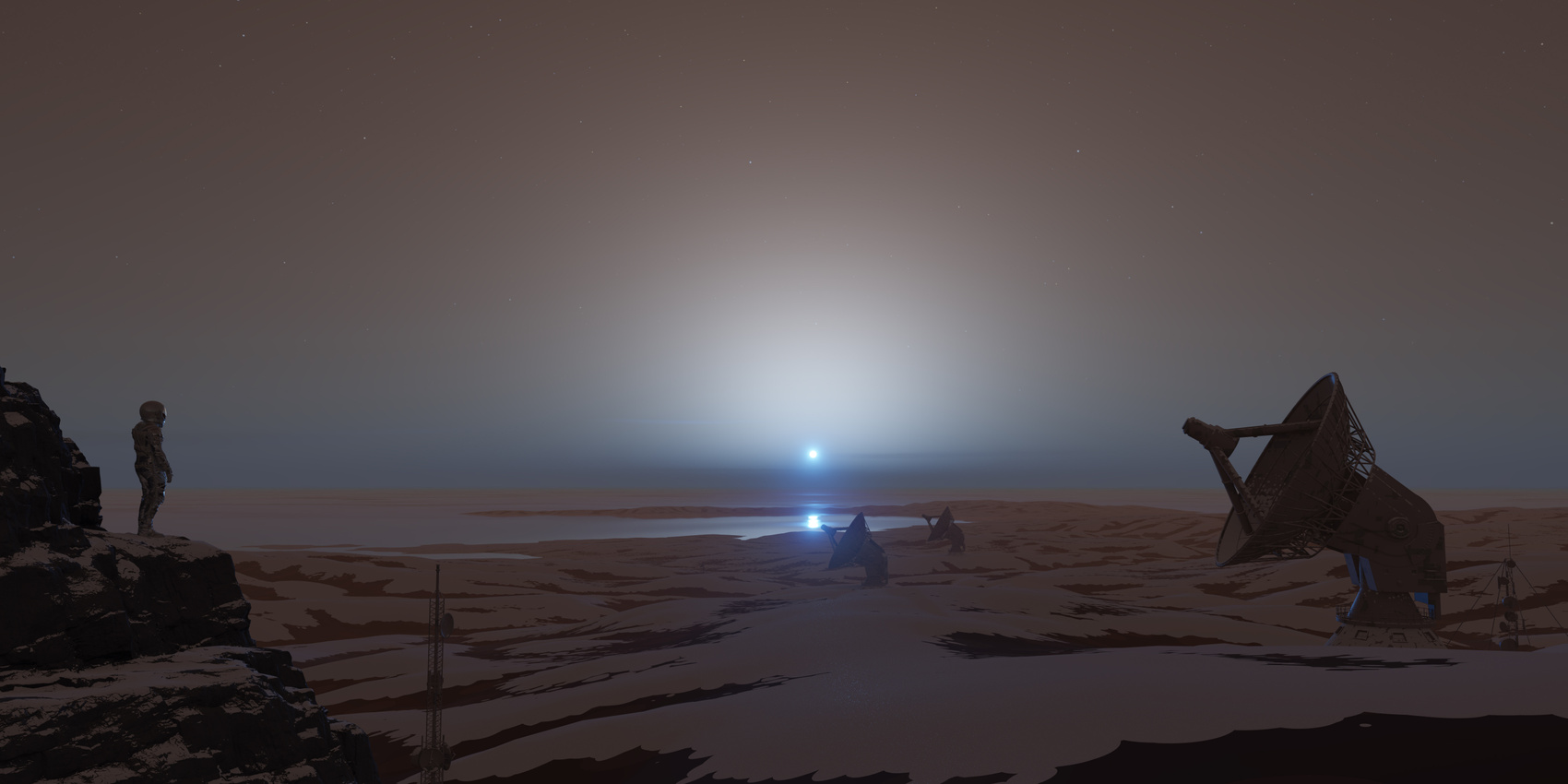

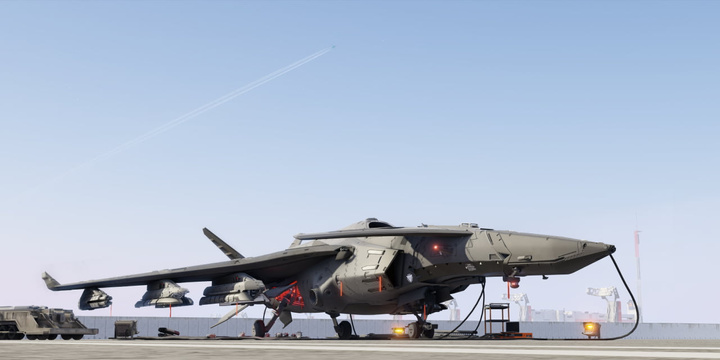
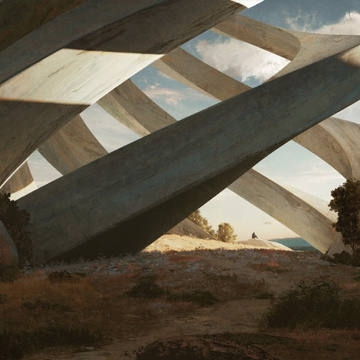
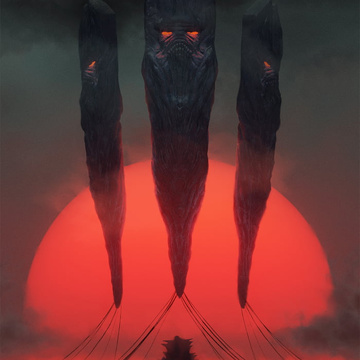







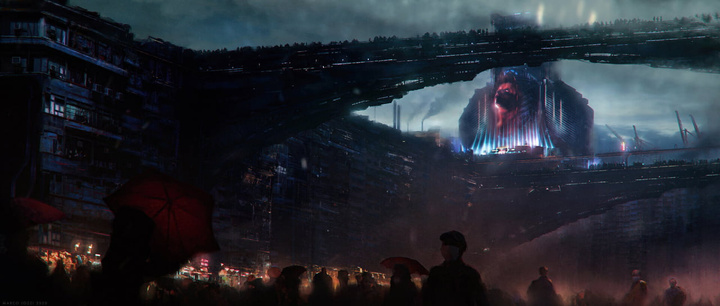
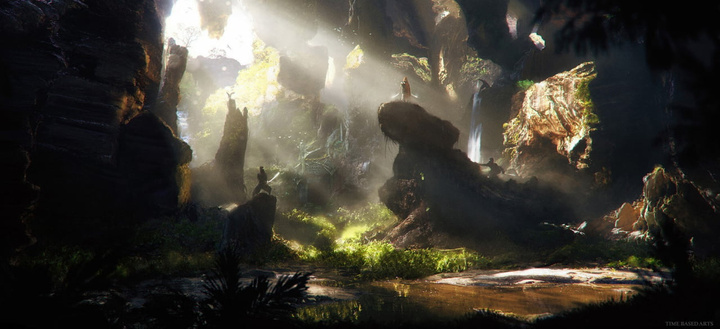
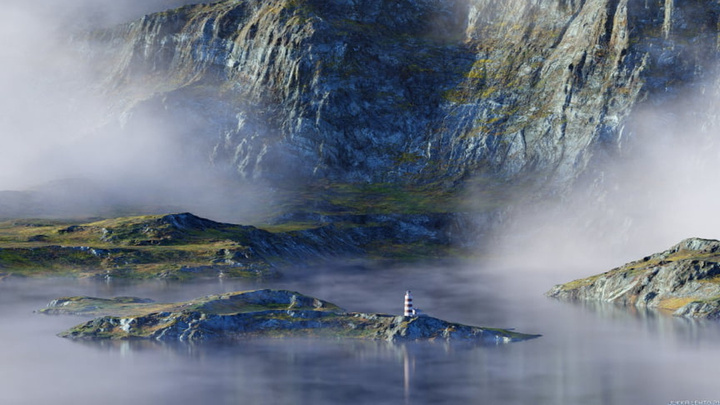



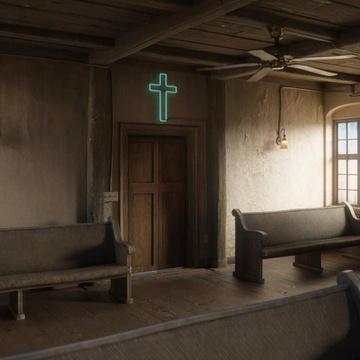

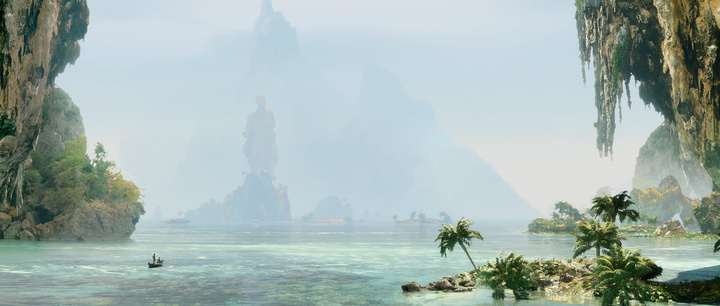
This addon saves hours that usually are invested in manually creating sky, atmosphere and placing sun object and stars, and automates it within a single click.
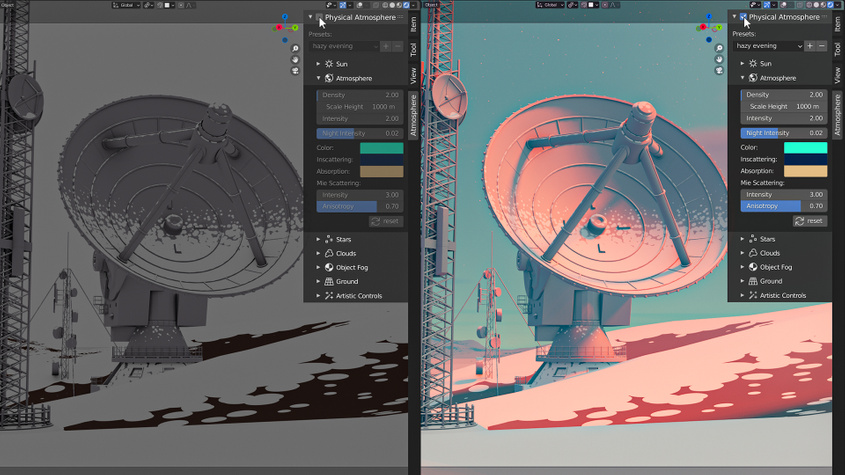
We have more than a decade of experience with atmosphere rendering techniques in computer graphics industry. Physical Starlight and Atmosphere addon is used in entertainment, film, automotive, aerospace and architectural visualisation industries.
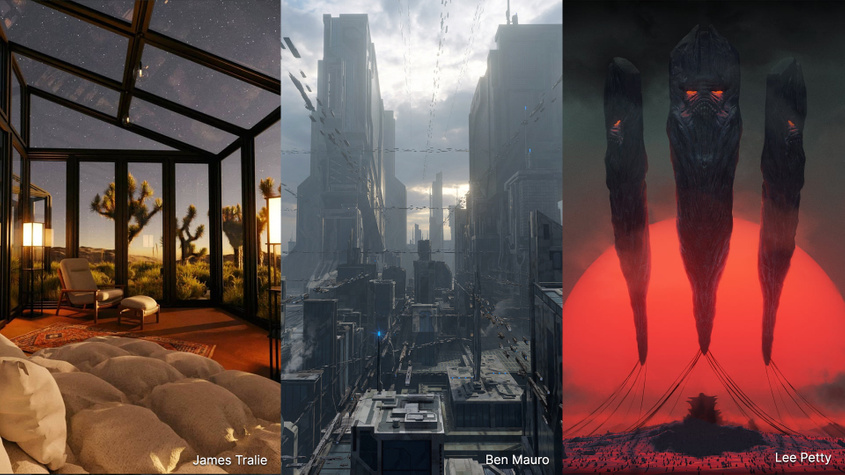
Presets allow to store a snapshot of your customized atmosphere settings and return to it later or use already predefined presets provided by the addon.
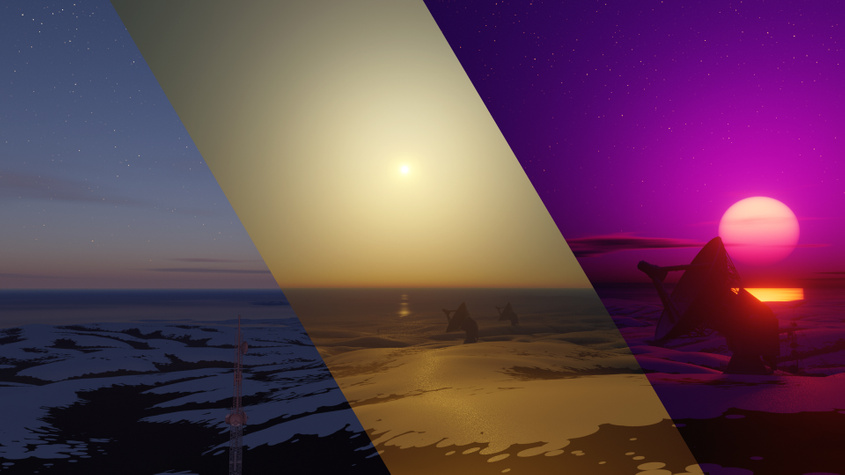
We use a procedural method of calculating the atmosphere based on many tweakable parameters, so that sky color is not limited only to the Earth's atmosphere.
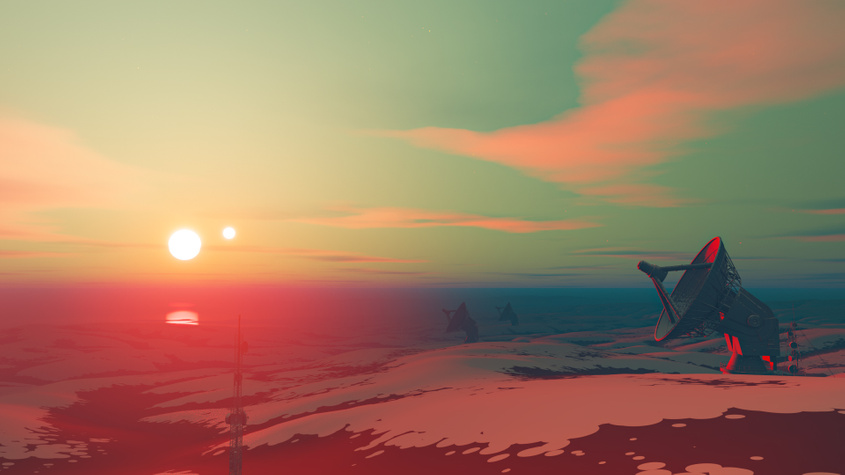
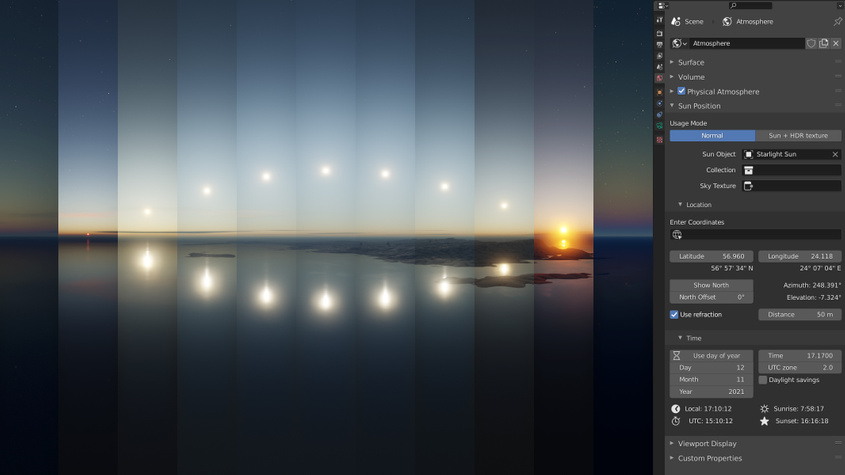
Works well in combination with Blender Sun Position addon. You can simulate any weather at any time.

"Physical Starlight and Atmosphere has been an invaluable tool for me in my personal/professional work and a huge missing link for lighting in Blender. It still feels like magic every time I use it, I can't recommend it highly enough!"

"Physical Starlight and Atmosphere has been an essential add-on for all of my environmental design projects. It gives me such incredibly flexibility and control over the look and feel of my renders. Lighting is key for any project, and this add-on always gives my work that extra edge."

"As a lighting artist, focusing on the overall mood of an image is super important. Physical Starlight and Atmosphere is based on reality, so I can spend all of my time iterating on the look without worrying about how to achieve it. "

"I love the tool. It has been my go-to since I picked it up a couple of months ago."

"My work life has become super easier since I started using Physical Starlight and Atmosphere, it cut down a lot of technical headache associated with setting up a believable lighting condition and gave me more time to concentrate on the creative part of my design process."
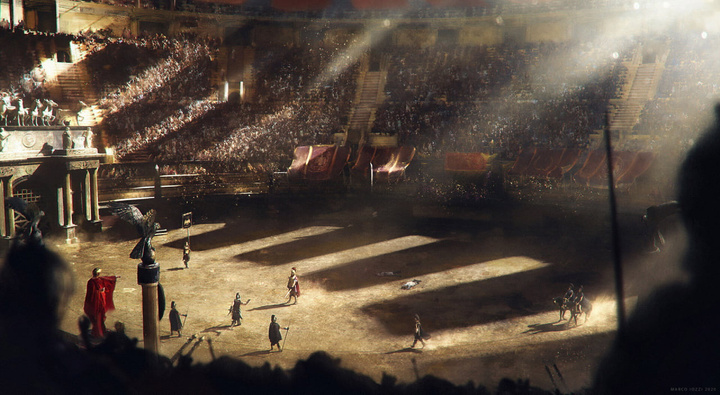
Word spread. People gathered—millwrights, former soldiers, seamstresses—each curious if the Codex could rewrite a tongue. They learned simple commands first: "hold," "march," "peace." With every phrase they rehearsed, the amphitheater felt warmer, as if sound itself stitched wounds in the air.
One night, by a guttering lamp, a stranger left a warped chest on Rian’s table. Its lid bore a curious sigil—the sigil of the Codex Guild, a secretive order that cataloged knowledge both old and new. Inside were thin copper plates engraved with battle plans, crude instructions, and, oddly, a sealed packet labeled “English Language Files.” The letters looked like they had come from another world—elegant, gridlike, and oddly modern.
In the winter after Rome’s last trumpet, the maproom at Ravenbridge sat half-buried in ash. Traders no longer came; only refugees and scholars with soot‑streaked cloaks. Among them was Rian, a cartographer who once drew borders for emperors and kings. Now his trade was different: he stitched together memories—diaries, rumor, scraps of map—to keep what was left of civilization coherent.
The Rolling Cartographer
He read and memorized. The ritual required something peculiar: a playing field. The town’s old amphitheater, cracked but serviceable, became his stage. By reciting phrases drawn from the packet and planting copper plates at compass points, Rian thought he could "install" the language into his people—granting them a shared medium to strike bargains with northern clans threatening the last harvest.
Victory was narrow. But after the dust settled, the Codex’s packet had been exposed as more than a manual; it was a seed. The "English" the Codex described was not an instant cure-all but a scaffold for cooperation—an evolving tongue that let disparate people share tactics, trade, and stories. Rian understood then that installing a language wasn't about erasing old speech; it was about building a bridge where none had existed.
Then came news of a host on the horizon—riders with banners of iron and wolves. The townsfolk panicked; their dialects clashed and orders were lost. Rian stood before them, copper plates glinting. He spoke the lines from the Codex, crisp as a blade. Commands took hold like frost: the millwrights formed barricades, the seamstresses bound the wounded, and former soldiers rallied at words that once were meaningless to them. total war attila english language files codex install
As spring thawed the ash, Ravenbridge became a waypoint for weary travelers seeking to learn the new tongue. The Codex Guild never claimed credit; their plates were left to weather. Yet in the market square, children chased each other calling out mixed words of old dialects and the new phrases learned that winter. They called the sound "Rian’s Speech" and, with laughter, mapped the future one shared sentence at a time.
On the battlefield outside Ravenbridge, language acted as strategy. The invaders expected the usual chaos of a refugee town: yelling, fear, scattered archers. Instead they heard a single voice organize a town militia into disciplined ranks. Words from the Codex—once merely ink on copper—proved as potent as any spear. The attackers, confused by coordinated defense and unexpected flanking maneuvers, faltered.
The Codex Guild was said to hold the means to “install” knowledge into the mind: the ritual of translation. Rian, whose hands had once traced borders now long gone, pried open the packet. A scent of machine oil and lavender slipped out, and within were pages that showed how to speak a tongue that had been reshaped by traders, sailors, and soldiers across centuries. To Rian, it was a map to new alliances. Word spread
—End.
Years later, when maps were redrawn and emperors rose and fell, travelers spoke of a small town that had installed a language like a shield. In manuscripts, the tale slipped between lines: a reminder that in times of ruin, the right words—organized, taught, and repeated—could be as decisive as any army.